
Underwater Technology
About the Program:
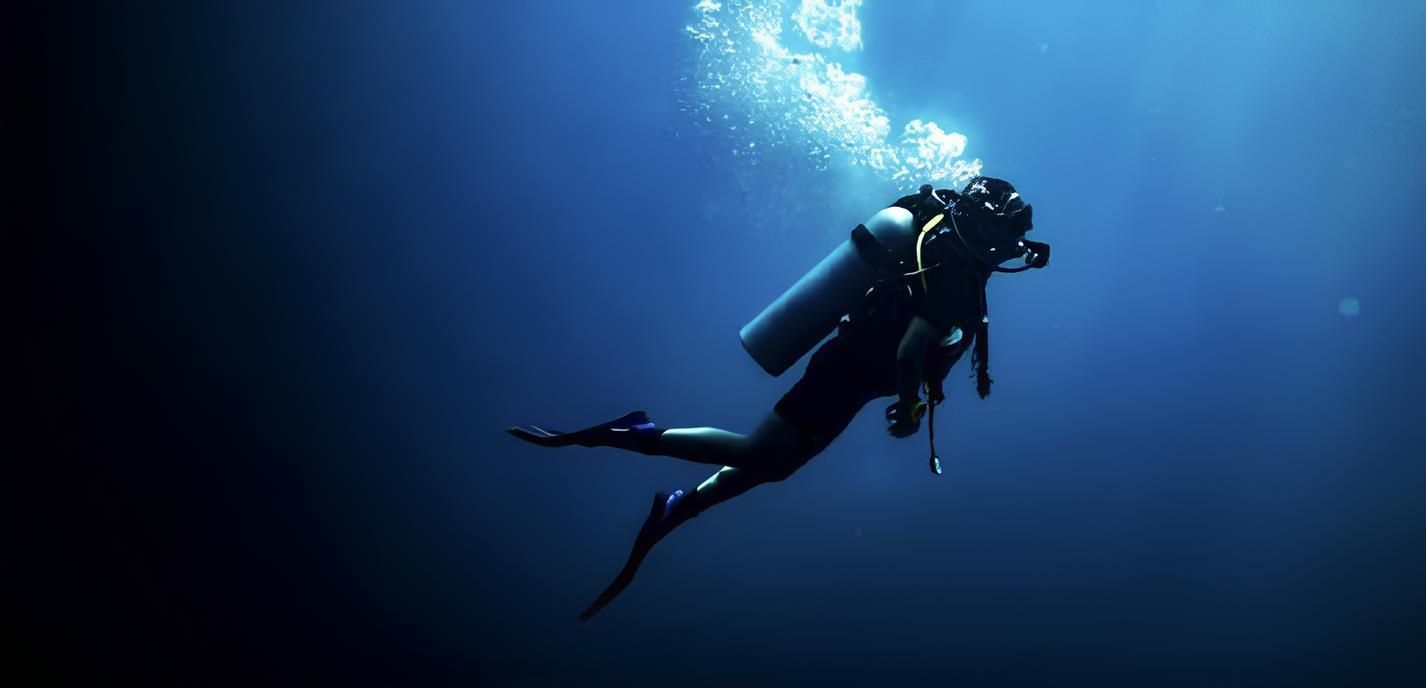
Within the framework of the principles specified in the Regulation on Professional Underwater Personnel, our program aims to train First-Class Divers equipped with the necessary knowledge and skills required by the maritime sector in the fields of diving, underwater rescue, and underwater technologies. The program lasts three years in total, including one year of preparatory education, and the language of instruction is 100% English.
The courses within the program are delivered by instructors who each have over twenty years of knowledge and professional experience in their respective fields. Education begins with theoretical instruction in the classroom, followed by basic underwater training in our training pool, and finally, students who successfully complete both stages proceed to practical sea training.
Mission:
To provide student-centered education and training at universal standards through cooperation and solidarity with all stakeholders; to educate individuals who possess 21st-century competencies, can practice the diving profession anywhere in the world, have leadership qualities, embrace sustainable development goals, adhere to Atatürk’s principles, pursue continuous improvement guided by reason and science, internalize maritime culture, and uphold high moral values—thereby meeting the need for qualified human resources in the professional underwater operations sector.
Vision:
To become a pioneering and internationally respected specialized university in Turkey by aiming for excellence in education and research in all areas related to diving and by creating value for the sector.
Goals:
The objective of the Piri Reis University Maritime Vocational School Underwater Technology Program is to train qualified personnel who can work both domestically and internationally, particularly in the professional diving sector, in line with the principles stated in the values section.
Values:
- Work Discipline
- Universal Values
- Freedom and Critical Thinking
- Competitiveness
- Student-Centered Approach
- Cooperation with Stakeholders
- Respect for Diversity and Human Rights
- Social Responsibility, Sustainability, and Environmental Awareness
- Scientific and Professional Ethics
- Academic Integrity
Educational Objectives:
Within the scope of the program, students are provided with training in many areas, including:
- Planning and execution of SCUBA diving, Surface-Supplied Air, and Mixed Gas diving
- Diving-related illnesses and accidents, including diagnosis and treatment methods
- Diving physics, capacity calculations, decompression tables, and their applications
- Maritime rescue operations and first aid
- Marine compressors and engines
- Basic seamanship and navigation
- Technological underwater search and rescue systems
- Terminology related to diving and rescue operations
- Current legal regulations
The program aims to ensure students gain competency in all these subjects.
Who Can Apply?
Students who meet the general and specific criteria stated in the Preference Guide published annually by the Council of Higher Education (YÖK) may apply to the program. (Specific criteria are indicated by numbers next to each program and should be reviewed in the appendix of the guide.)
Career Opportunities After Graduation:
Graduates can utilize the competencies they acquire during their university education by working in maritime companies engaged in areas such as underwater rescue, underwater repair, ship hull inspection, and ship classification surveys. In addition, with their Hyperbaric Chamber Operator qualifications, they may also work in Hyperbaric Oxygen Therapy centers.
Vertical Transfer Options (DGS):
As the program aims to provide students with First-Class Diver qualifications, the courses offered are highly specialized for this purpose. Therefore, vertical transfer opportunities are quite limited. Among the available options, Fisheries Engineering departments at relevant universities appear to be the most suitable pathways for vertical transfer.