
Marine Engineering Operations
About the Program:
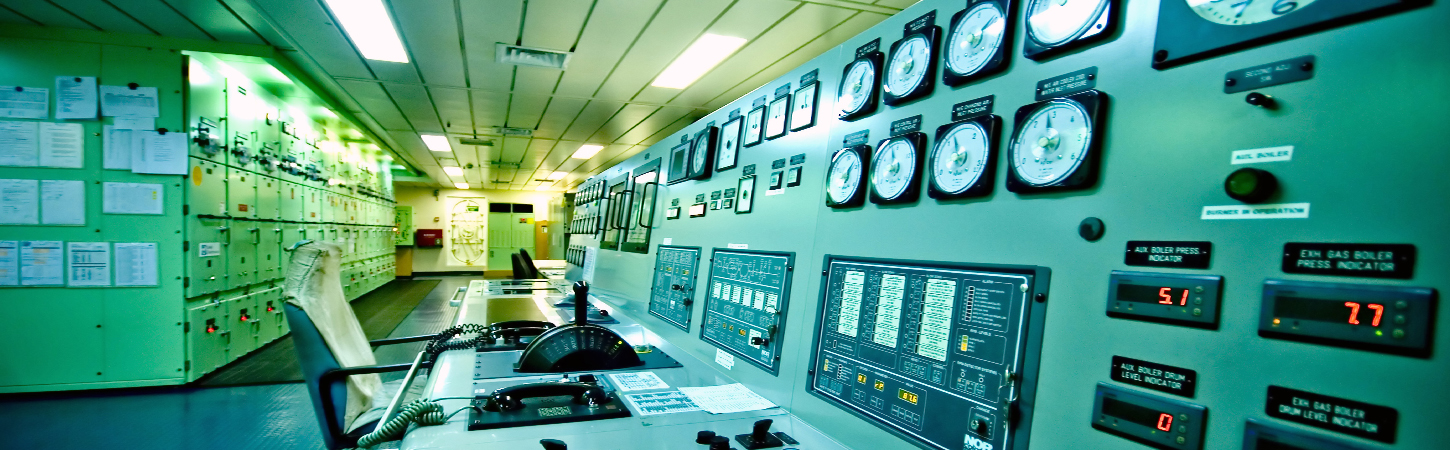
The Marine Engineering Program aims to train marine machinery officers who will serve on commercial ships and in the maritime sector. It is a bachelor’s program compliant with international standards. The education is conducted both theoretically and practically in accordance with the STCW convention, IMO regulations, and the relevant guidelines of the Ministry of Transport and Infrastructure. Students receive training that simulates real engine room conditions in both campus laboratories and at sea internships.
Mission:
To train marine machinery officers equipped with:
- High ethical values,
- Embracement of maritime culture,
- Technical knowledge and skills aligned with international standards,
- Capabilities to perform duties both at sea and on land.
Vision:
To be a Marine Engineering Program recognized nationally and internationally, whose graduates are preferred in the global maritime sector, with strong practical training capacity and leading research and development activities.
Objectives:
- To equip students with advanced competencies in engine room operations, maintenance-repair, energy management, and safety.
- To develop an engineering perspective that adapts to modern maritime technologies.
- To ensure students obtain qualifications in accordance with STCW standards.
- To increase the employability of students in the fields of international ship management and technical administration.
- To enhance students’ teamwork, problem-solving, leadership, and communication skills.
Educational Goals:
- To provide the knowledge and skills necessary to work as a Watchkeeping Engineer on international voyages.
- To train graduates competent in ship machinery operations, maintenance planning, and fault analysis.
- To produce professionals who are well-versed in maritime safety, environmental protection, and ISM/ISPS regulations.
- To develop individuals who can follow and apply technological innovations in the maritime sector.
- To train graduates equipped to work in shipyards, technical services, machinery maintenance companies, and fleet management companies.
- To cultivate individuals who have adopted professional ethics, discipline, and leadership qualities in maritime culture.
Who Can Apply?
- Candidates interested in the maritime field, with technical aptitude, looking to develop in machinery and energy systems.
- Those whose health conditions comply with the Maritime Health Regulation of the Ministry of Transport and Infrastructure (a Maritime Health Report is required).
- Candidates who achieve sufficient success in the exam score types determined by TYT/AYT.
- Candidates who can work well in teams, are disciplined, and can sustain a life at sea/port.
Where Can Graduates Work After Graduation?
At Sea:
- Watchkeeping Engineer
- Second Engineer
- Chief Engineer (after experience and promotion processes)
- Machinery officer on offshore platforms
- Responsible for machinery on passenger ships and tankers
On Land:
- Technical departments of ship operating companies
- Shipyards (machinery assembly, maintenance-repair units)
- Marine engine and machinery manufacturers
- Survey firms (classification organizations)
- Port operations, technical service companies
- Energy and machinery maintenance firms
Vertical Transfer Options (DGS):
- Marine Machinery Engineering
- Mechanical Engineering
- Naval Architecture and Marine Engineering
- Energy Systems Engineering
- Mechatronics Engineering
- Maritime Transportation and Management Engineering (at some universities)
- Automative Engineering
(Note: This may vary according to the university’s annual quotas and regulations.)