
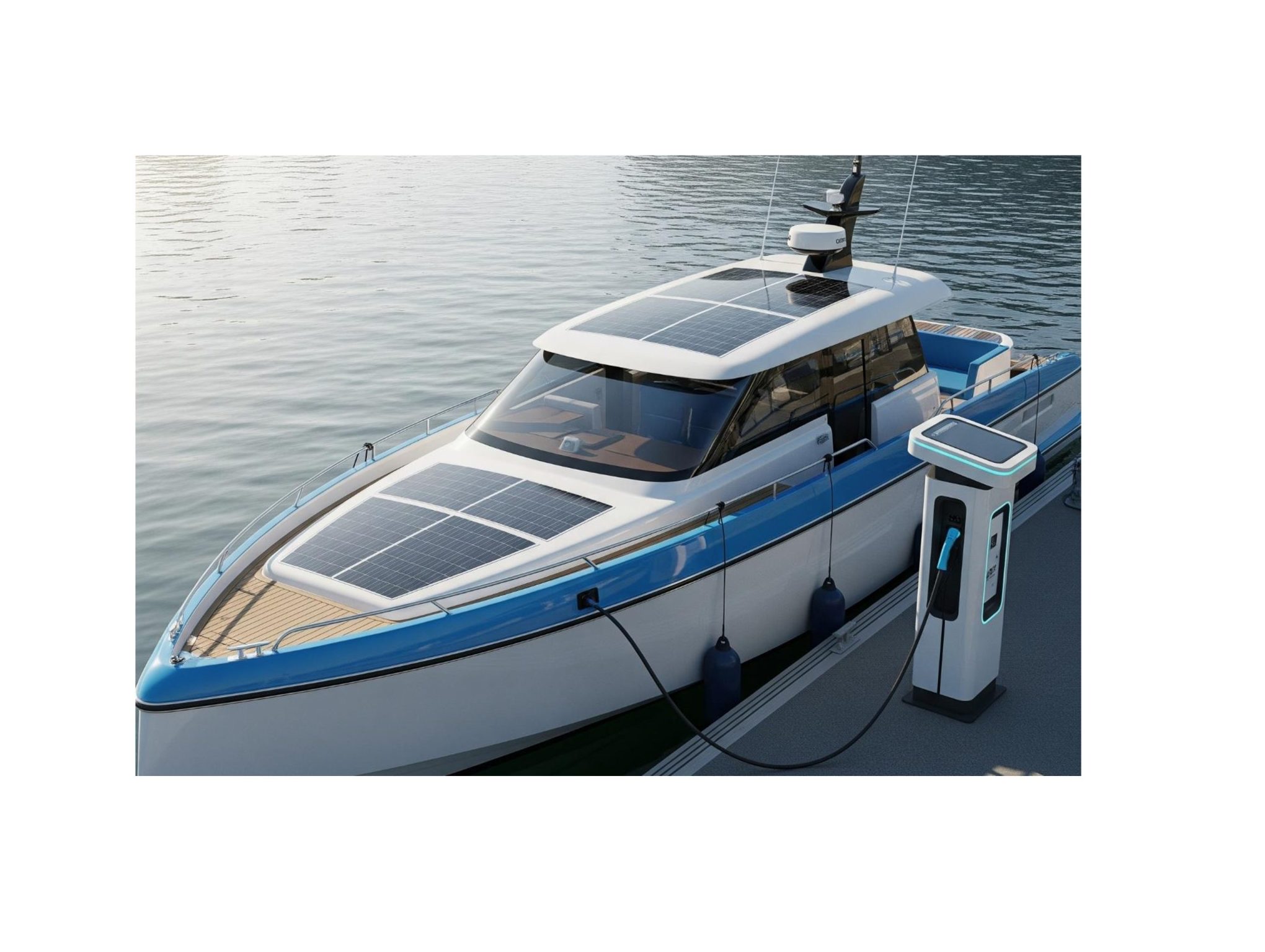
Hybrid and Electric Vehicle Technology
About the Program:
The Hybrid and Electric Vehicles Technology programme aims to train technical personnel who are qualified and equipped for the new era of vehicle technology. In this context, the programme provides the technical staff that companies engaged in hybrid and electric vehicle technology require. Elective courses in maritime subjects are also offered in accordance with the STCW convention, IMO conditions and the relevant Ministry of Transport and Infrastructure guidelines. These courses provide students with the opportunity to become Electro Technical Officers. These courses are supported by practical training. Students who successfully complete the programme will receive an Associate Degree Diploma in Hybrid and Electric Vehicles Technology.
Mission:
The Hybrid and Electric Vehicles Department’s mission is to:
- Provide theoretical and practical training in hybrid and electric propulsion systems, battery technologies, energy management and vehicle electronics;
- Instil awareness of occupational health and safety, environmental protection, risk assessment and safe working practices, in accordance with STCW requirements.
- Train technical personnel with operational, maintenance and troubleshooting competencies, in response to the growing use of electric and hybrid systems in the maritime and transport sectors.
- Develop ethical values, teamwork skills, a strong sense of professional responsibility and international employability competencies.
Vision:
The Hybrid and Electric Vehicles Department’s vision is to be:
- An internationally recognised academic department for developing educational and certification processes.
- A preferred choice for maritime and other related sector graduates.
- An institution that provides application- and employment-focused education through strong industry partnerships.
- A reference point for the electrification of vehicles, energy efficiency and safe systems.
Objectives:
Students in this program are expected to:
- Learn the fundamental systems of hybrid and electric vehicles.
- Familiarize themselves with electric motors, batteries, and energy systems.
- Identify and resolve faults encountered in vehicles.
- Perform maintenance and repair tasks safely and accurately.
- Adhere to occupational health and safety regulations.
- Acquire a perspective that values environmental protection and energy conservation.
- Adapt to teamwork and take responsibility.
- Be prepared to work as Electro Technical Officers in the maritime sector or other related fields after graduation.
Educational Goals:
- To provide students with basic and advanced knowledge of hybrid and electric vehicle technologies.
- To instill awareness of safety, occupational health and safety, environmental protection, and risk management within the framework of the STCW Convention.
- To develop application competence in electric propulsion, battery systems, power electronics, and control systems.
- To train technical personnel capable of performing maintenance, fault diagnosis, and repairs of hybrid and electric systems in accordance with international standards.
- To provide operational competencies regarding hybrid and electric systems used in the maritime and transportation sectors.
- To cultivate responsible individuals adhering to professional ethical values, with developed communication skills and the ability to work in teams.
- To prepare students for lifelong learning, professional development, and international certification processes.
Who Can Apply?
- Candidates interested in the maritime field who have technical aptitude and wish to develop themselves in hybrid and electric vehicles and related technologies.
- Candidates seeking proficiency in the storage and use of renewable energy.
- Those whose health conditions comply with the Maritime Health Regulation of the Ministry of Transport and Infrastructure (a Maritime Health Report is required for candidates wishing to become Electro Technical Officers).
- Candidates who achieve sufficient success in the exam score types determined by TYT/AYT.
- Candidates who can work well in teams, are disciplined, and can sustain a life at sea/port.
Where Can Graduates Work After Graduation?
On Land:
- Manufacturers of electric and hybrid vehicles
- Main and sub-industries in the automotive sector
- Maintenance, repair, and service centers for electric vehicles
- Battery production, testing, and recycling facilities
- Operators of electric buses and commercial vehicles
- Companies producing electric motors and driver systems
- Automation and industrial electrical systems companies
Energy and Charging Infrastructure:
- Companies involved in the installation and operation of electric vehicle charging stations
- Renewable energy and energy storage companies
- Firms specializing in power electronics and energy management systems
At Sea:
- As electro-technical officers on ships (including passenger ships and tankers)
- On vessels and maritime vehicles with hybrid and electric propulsion systems
- In shipyards and ship maintenance and repair enterprises
- In technical service and operational units of maritime companies
- In port operations and electric port vehicles
Vertical Transfer Departments
- Electrical Engineering
- Electrical-Electronics Engineering
- Electronics Engineering
- Control and Automation Engineering
- Mechanical Engineering
- Mechatronics Engineering
- Automotive Engineering